2026 Influencer Landscape: Why Smaller Creators Are Winning $24B
There is a massive shift happening in how brands choose their partners. We are moving away from the era of "celebrity" influencers and into the era of the specialist
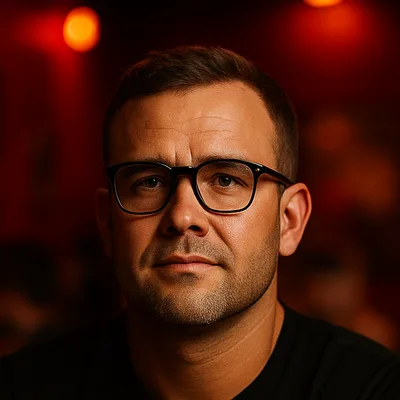 Chad Smalley
In this article

Smaller creators are winning influencer budgets because they offer authentic engagement, specialized communities, cultural agility, and stronger returns than celebrity-scale accounts. As the market expands, brands increasingly prefer nano- and micro-influencers for frequent, affordable collaborations that build trust, follow trends quickly, and produce relatable content audiences are more likely to act on.
Discover why smaller creators are dominating the $24B influencer landscape. Key 2026 trends, ROI stats, and growth strategies for micro-influencers in LATAM.
If you have been wondering whether the influencer marketing bubble is set to burst, I have some news for you: it is not just staying afloat; it is expanding at a breakneck pace. As the CEO of UGC LATAM, I track these shifts daily to ensure our creators in Latin America are positioned for success. The landscape for 2026 is shifting toward authenticity, smaller audiences, and professionalized budgets.
In this deep dive, we are breaking down the critical statistics you need to know to stay competitive. From the explosive growth of the industry to the specific niches that are dominating the spend, these numbers should be the foundation of your strategy for the year ahead. Let’s look at what the data tells us about where the money is moving and why smaller creators are currently holding all the cards.
The Rise of the "Small but Mighty" Creator
There is a massive shift happening in how brands choose their partners. We are moving away from the era of "celebrity" influencers and into the era of the specialist. According to recent data, 64% of marketers have shifted their focus to micro-influencers, and nearly 47% report that these smaller creators provide the highest ROI.
But it does not stop at micro-influencers. There is a surging demand for nano-influencers (those with fewer than 10k followers). Currently, 44% of brands prefer working with nano-influencers, a significant jump that shows brands value deep community trust over raw follower counts. At UGC LATAM, we see this constantly—brands want creators who actually talk to their audience, not just at them.
Budgeting for Success in 2026
Despite the global economic shifts, influencer marketing is proving resilient. The industry is projected to reach a staggering $24 billion by the end of 2024. Brands are not just "trying it out" anymore; they are baking influencer spend directly into their annual strategies. In fact, 85.8% of brands now have a dedicated budget specifically for influencer partnerships, compared to just 37% back in 2017.
Interestingly, while the industry is growing, individual campaign spends remain lean. About 68% of brands spend less than $50,000 annually on influencer marketing, with many keeping it under $10,000. This is actually good news for creators. It means brands are looking for more frequent, smaller-scale collaborations rather than putting all their eggs in one expensive "mega-influencer" basket.
The influencer marketing industry was projected to reach $24 billion by the end of 2024, according to the 2024 Influencer Marketing Benchmark Report.
The Biggest Challenges Facing the Industry
It is not all easy money, though. The biggest hurdle brands face today is keeping up with social media trends (28% of marketers cite this as their #1 pain point). Trends move fast, and brands move slow. This is exactly where you, the creator, come in. Brands are paying for your ability to be agile and culturally relevant in real-time.
For brands running things in-house, the struggle is real. Here are the top four logistical headaches they face:
Finding the right creators (29.8%)
Processing payments (17.1%)
Managing contracts and deadlines (13.9%)
Measuring campaign ROI (13.6%)
UGC LATAM tip: If you want to be a brand’s favorite partner, be the person who makes their life easier. Have your rates ready, meet your deadlines, and provide your own analytics reports before they have to ask.
Which Industries are Spending the Most?
If you are wondering if your niche is profitable, look at the leaders. Fashion and Beauty remains the undisputed heavyweight champion, representing 21.6% of the market. These brands have mastered the art of using creators to show real-world application of their products.
Gaming is the second strongest vertical at 11.9%, followed closely by Sports, Travel, and Lifestyle. We are also seeing significant growth in "lifestyle" categories like parenting, home, and fitness. Regardless of your niche, the consensus is clear: 84.8% of brands find influencer marketing inherently effective, largely because influencer content consistently outperforms brand-generated content.
"Influencers have the power to create authentic, high-performing content that a traditional marketing team simply cannot replicate in a studio."
Final Takeaways for 2026
The data confirms what we have been saying at UGC LATAM: the power has shifted to the creators who can generate authentic engagement. With 59.4% of marketers planning to increase their influencer budgets this year, the opportunity is massive. Brands are no longer looking for "billboards"; they are looking for storytellers and community leaders. Keep your content real, stay on top of the trends, and remember that your value lies in the trust you have built with your community.
Subscribe to Our Newsletter
Get weekly insights on UGC marketing across Latin America
Key answers
1. Why do brands prefer nano- and micro-influencers in 2026?
Brands prefer nano- and micro-influencers because their audiences often share tighter interests and stronger community trust. The article reports that 64% of marketers have shifted toward micro-influencers, while 44% of brands prefer nano-influencers. These creators also support affordable, frequent campaigns instead of a single costly celebrity partnership.
2. How large is the influencer marketing industry?
The influencer marketing industry was projected to reach $24 billion by the end of 2024, showing that creator partnerships had become a formal marketing channel rather than an experiment. The article also states that 85.8% of brands have dedicated influencer budgets and 59.4% of marketers plan to increase their spending.
3. Which industries spend the most on influencer marketing?
Fashion and beauty lead influencer marketing spending, representing 21.6% of the market in the article’s data. Gaming follows at 11.9%, with sports, travel, lifestyle, parenting, home, and fitness also presenting opportunities. Visual demonstrations, real-world product use, and trusted recommendations make these categories especially suitable for creator-led campaigns.
4. What do brands expect from creators besides content?
Brands expect creators to make campaign management easier by providing clear rates, meeting deadlines, following contracts, and sharing performance analytics proactively. This matters because finding creators, processing payments, managing deadlines, and measuring return on investment are major operational challenges. Professional reliability can therefore make a smaller creator more valuable and easier to rehire.
UGC for your industry
About Chad Smalley
UGC marketing expert specializing in Latin American creator campaigns and influencer partnerships.